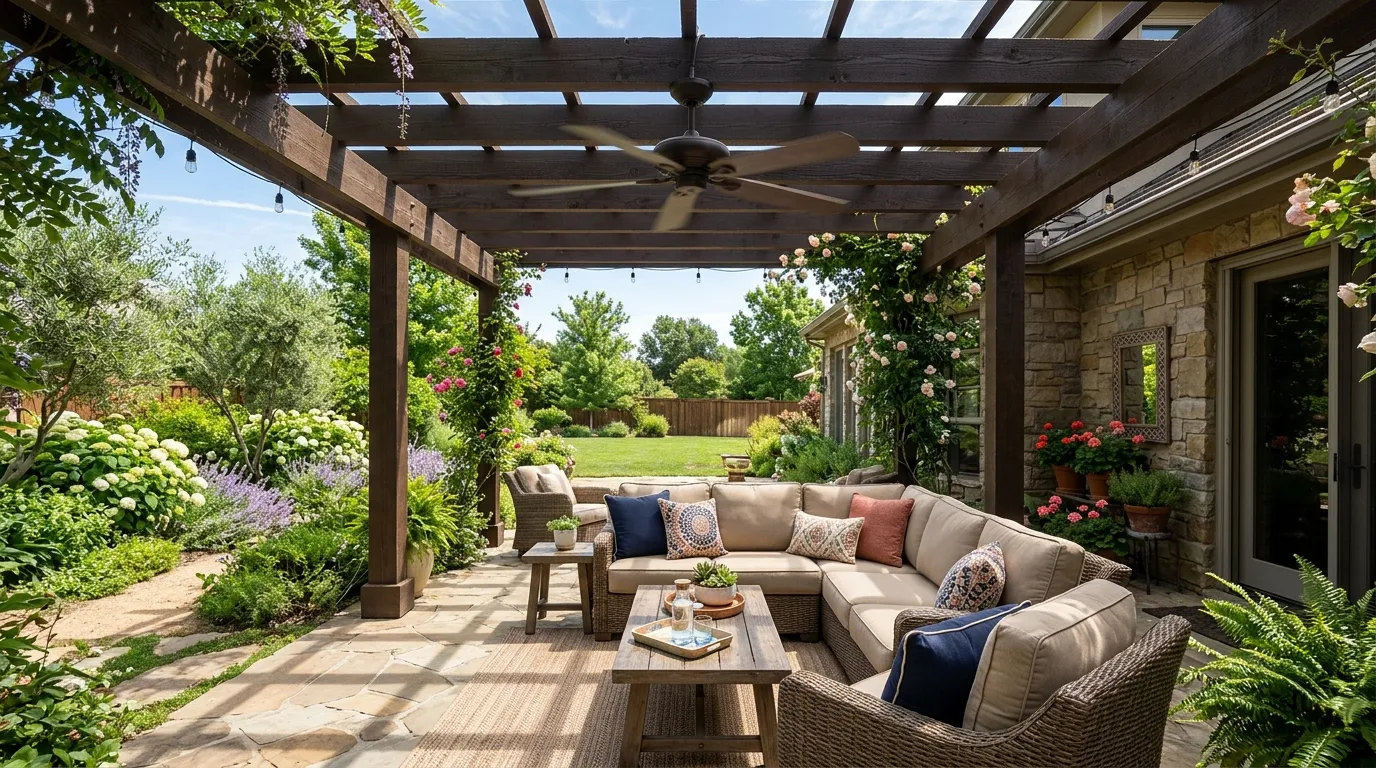
The Crucial Difference Between Indoor and Outdoor Fans
When the weather warms up, there is nothing quite like relaxing on a covered patio, porch, or deck with a cool breeze overhead. Installing a ceiling fan in your outdoor living space is one of the best ways to extend your enjoyment of the outdoors through the hotter months. However, a common and potentially dangerous mistake homeowners make is installing a standard indoor ceiling fan in an outdoor setting. In this guide, we will break down exactly why you cannot use an indoor fan outside, and explain the critical differences between indoor, damp-rated, and wet-rated ceiling fans.
Why You Can't Put an Indoor Fan Outside
Indoor ceiling fans are designed precisely for what their name implies: a climate-controlled, dry indoor environment. They are typically designated as "Dry-Rated" by Underwriters Laboratories (UL). The materials used in their construction—from the blades to the motor housing to the electrical components—are not built to withstand moisture, humidity, or significant temperature fluctuations.
If you install a dry-rated indoor fan outside, even on a covered patio, several things will inevitably happen:
- Blade Warping and Drooping: Indoor fan blades are often made of medium-density fiberboard (MDF) or untreated wood. When exposed to outdoor humidity, these materials absorb moisture, causing them to warp, swell, and droop. This not only looks terrible but severely impacts the fan's balance and ability to move air.
- Rust and Corrosion: The hardware, motor housing, and internal components of an indoor fan are not rust-proofed. Exposure to morning dew or damp night air will quickly lead to unsightly rust and eventually seize the motor.
- Electrical Hazards: This is the most critical issue. The electrical wiring and motor in a dry-rated fan are not sealed against moisture. Moisture ingress can cause electrical shorts, potentially leading to fires or electrocution.
To avoid these hazards and ensure a long lifespan for your fixture, you must choose a fan specifically rated for outdoor use. If you need help selecting or installing one, our outdoor & patio fan installation service is here to help.
Understanding UL Ratings: Damp vs. Wet
When shopping for an outdoor fan, you will encounter two main classifications: Damp-Rated and Wet-Rated. Choosing the right one depends entirely on where the fan will be located.
Damp-Rated Ceiling Fans
Damp-rated fans are built to handle moisture and humidity, but they cannot withstand direct contact with water, such as rain or snow. They are the perfect choice for covered outdoor spaces where the fan is completely shielded from precipitation. Their blades are usually made of moisture-resistant ABS plastic or specially treated wood, and their motor housings are constructed with rust-resistant materials like galvanized steel or powder-coated aluminum.
Ideal Locations for Damp-Rated Fans:
- Covered porches and patios
- Screened-in sunrooms
- Covered decks
- Bathrooms and laundry rooms (even indoors, damp-rated fans are highly recommended for humid spaces)
Wet-Rated Ceiling Fans
Wet-rated fans are the heavy-duty option. They are engineered to endure the harshest elements, including direct rain, snow, ocean spray, and intense UV exposure. They are completely sealed to prevent any water from reaching the electrical components, and the housing and blades are made from highly durable, weather-proof materials like marine-grade polymers and rust-proof metals. You can literally hose a wet-rated fan down to clean it without fear of damaging it.
Ideal Locations for Wet-Rated Fans:
- Exposed pergolas and gazebos
- Open-air decks without a roof
- Lanai areas without solid covers
- Coastal homes exposed to salt air
Installation Considerations for Outdoor Spaces
Installing an outdoor fan presents unique challenges compared to a standard new fan installation indoors. First and foremost, all electrical wiring run to the outdoor location must meet strict outdoor electrical codes, often requiring weather-resistant conduit and specialized weatherproof junction boxes.
Furthermore, outdoor ceilings are often sloped (like a porch roof) or very high (like a large covered patio). This requires special sloped-ceiling adapters and extended downrods to ensure the fan hangs level and at the optimal height for airflow. If you have a particularly tall patio roof, our expertise in vaulted & high ceilings ensures the fan is mounted securely and effectively.
Don't compromise on safety or aesthetics by using the wrong fan. Choose a durable, beautifully designed damp or wet-rated fan to transform your outdoor space, and rely on professional installation to ensure it operates flawlessly through every season.